Offerings
Each offering at Intera Expressive Arts Therapy provides a compassionate space for healing, creative exploration and meaningful connection.
Whether through individual sessions or community workshops, each experience is grounded in care, curiosity and respect for each client’s unique path.
-

Individual Expressive Arts Therapy
1:1 creative therapy using art and expressive process to support healing and personal growth in person or online.
-
Dancers, Artists and Creative Individuals
1:1 therapy for dancers, artists and creatives navigating performance pressure, burnout, and creative blocks to support artistic identity, resilience and sustained creative practice
-

Community/Group Workshops
Expressive Arts Workshops for groups to connect, create and grow-offered in community spaces or online
Creative Modalities
-
Movement helps clients to access and process emotions stored in the body. Rooted in body-based therapies and neuroscience, this approach uses dance, gesture, simple physical actions like stretching and walking to support emotional regulation, reduce stress, promote healing, and build greater self awareness.
-
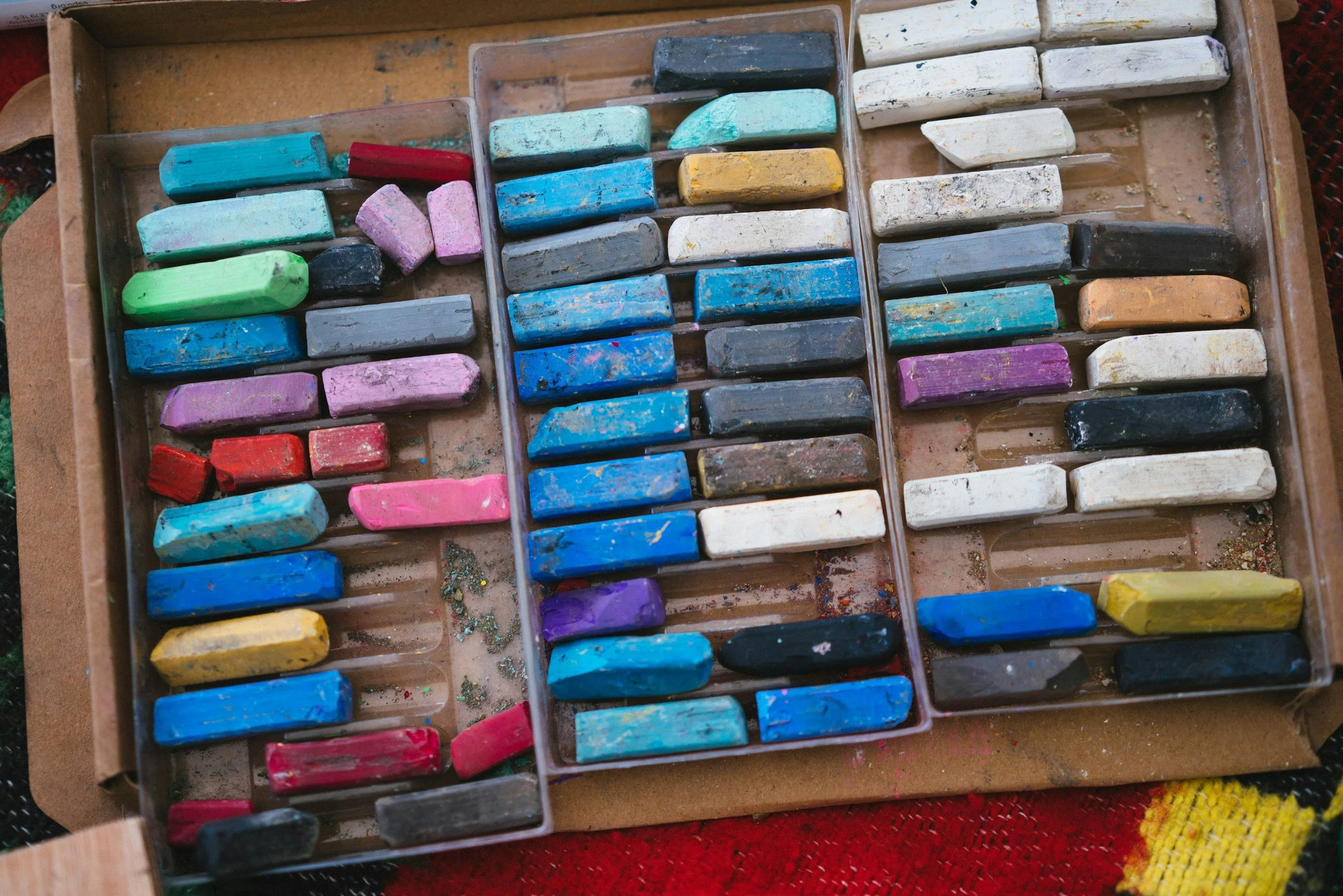
Visual arts offer a hands-on way to reflect, process and give shape to inner thoughts and feelings. Using materials like paint, collage, or drawing, clients can uncover new perspectives, foster creativity and make meaning from their experiences.
-
Music invites clients to explore emotions and experiences through sound, rhythm and listening. Whether through playing instruments, using the voice or engaging with recorded music, this approach can help regulate mood, spark connection, and support emotional expression, offering a powerful path to healing.
-
Writing offers a supportive space to explore thoughts, feelings and personal narratives through words. Whether through journaling, poetry or storytelling this process can deepen self-reflection, encourage emotional expression and help make sense of life experiences.
-
Drama invites clients to explore emotions, relationships, and personal stories through role play, improvisation and storytelling. By stepping into different perspectives or reenacting experiences, indivoduals can gain insight, build emotional resilience and safely process challenging moments.
-
Embodied awareness and guided imagery offer gentle, grounding ways to connect with the body, breath and inner experience. These practices can support nervous system regulation and foster a sense of safety, creating space for imagination and emotional expression to emerge at a natural pace
-
One of the strengths of Expressive Arts Therapy (EXAT) is that clients are not limited to one creative form-in a single session, clients might move, then paint,then write about what was created. This layered approach deepens self-discovery and promotes holistic growth, making the theraputic process more vibrant and dynamic.
Areas of Practice
Anxiety and Stress Management
Through gentle and guided creative expression, clients can externalize inner tension and explore the roots of their anxiety. Art-making can provide a supportive space to calm the nervous system and develop healthy coping strategies.
Trauma and Recovery
Expressive Arts can be a powerful complement to trauma-informed care. Using non-verbal modalities like movement,drawing and guided imagery, clients can process traumatic experiences at a pace that feels safe for them, and gradually reconnect with their bodies and narratives.
Grief and Loss
Art becomes a language for mourning, remembering and honouring those we’ve lost. Whether a client is grieving the death of a loved one, the end of a relationship, a major life change, or the loss of a dream or sense of identity, expressive arts provides a gentle, affirming way to move with and through sorrow and begin to heal.
Identity, Self Esteem and Empowerment
Expressive Arts Therapy offers a powerful space for clients to explore who they are-beyond roles,expectations or past experiences. Through creative expression, clients can reconnect with their inner voice, build self-confidence, and embrace thier authentic identity.
Life Transitions and Personal Growth
Change-whether planned or unexpected-can stir up feelings of uncertainty, excitement, fear or loss. Expressive Arts Therapy offers a creative and grounded space to process transitions such as moving, career shifts, relationship changes, or entering a new life stage. Through art-making and reflection, clients can make meaning of where they’ve been, where they are now and what is unfolding ahead.
Children & Adolescents
For young people, traditional talk therapy may feel intimidating. Through art, play, and movement, children and teens can express themselves in ways that feel natural and empowering, helping them to build emotional resilience and self-awareness.
Therapy Begins With Connection
If you’re curious about working together, you’re warmly invited to reach out. Whether you’re navigating grief, change, uncertainty, or simply feeling the call to reconnect with your creative self-this space is here for you.
No need to have the right words or a clear plan.
A willingness to begin is enough.